Heating & Air Conditioning in Bluemont, VA
Schar Heating & Cooling handles residential and light-commercial heating and cooling across Bluemont and the surrounding area. From an AC that quit in a heat wave to a furnace that won't light on the first cold night, the fastest way to get help is to call — you'll reach a local technician, not a call center.
Duct cleaning & sealing
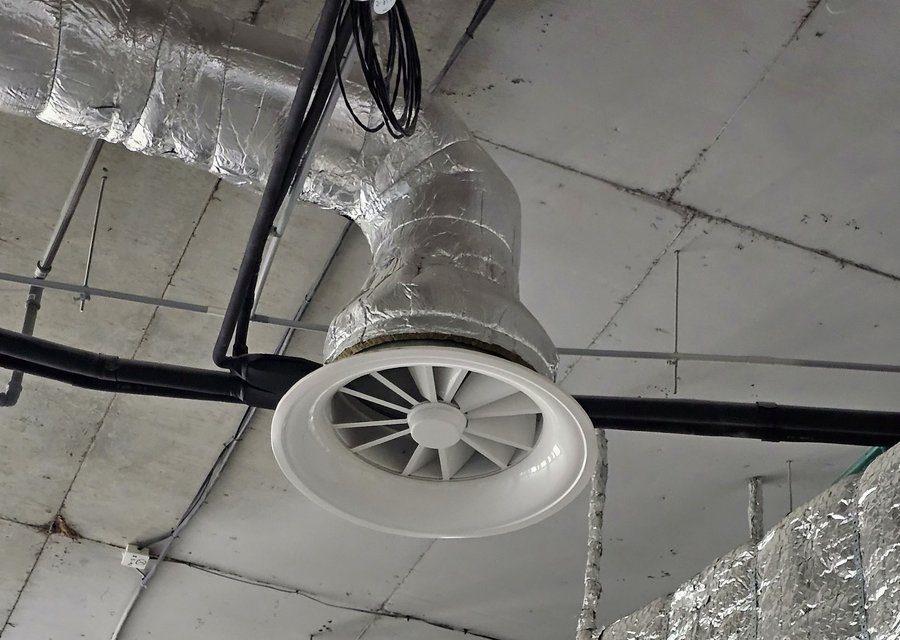
Airflow restoration and leak sealing to fix uneven rooms and dusty air.
Emergency service
Urgent no-heat and no-cool calls handled fast, before small faults become failures.
Furnace repair
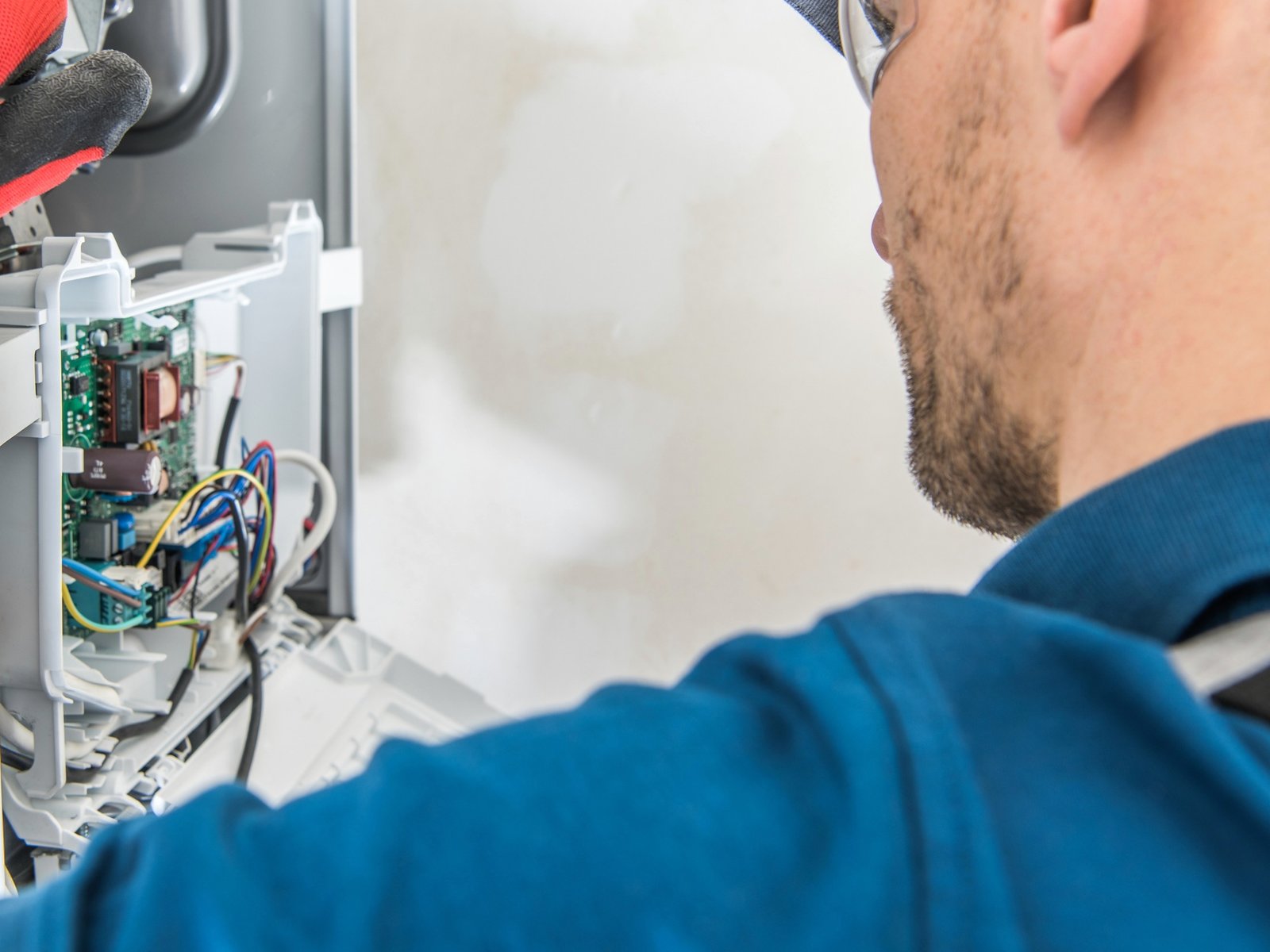
Ignition failures, flame sensors, blower motors, and no-heat emergencies on gas and electric furnaces.
AC installation & replacement
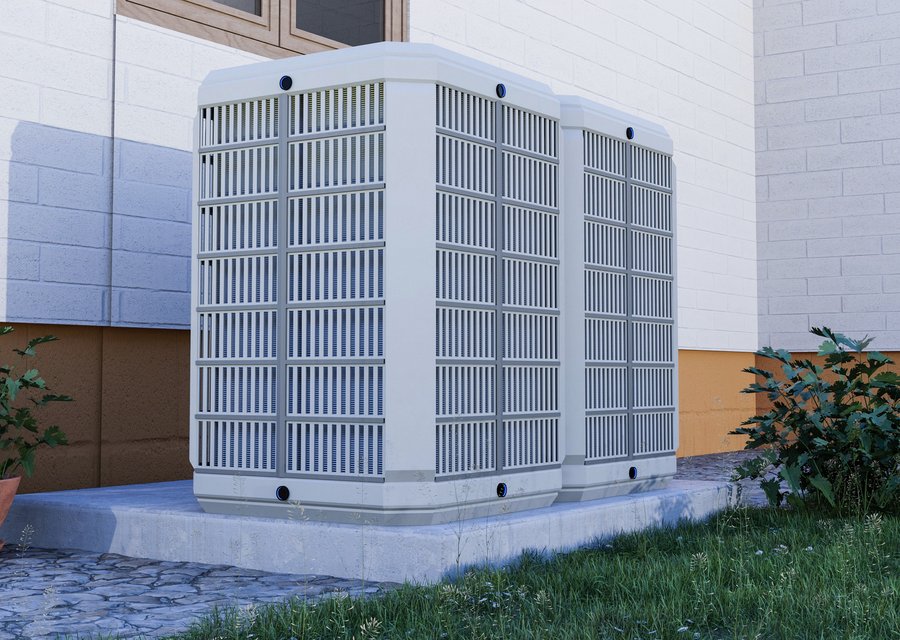
Properly sized new systems with load calculations, from value units to high-SEER equipment.
AC repair
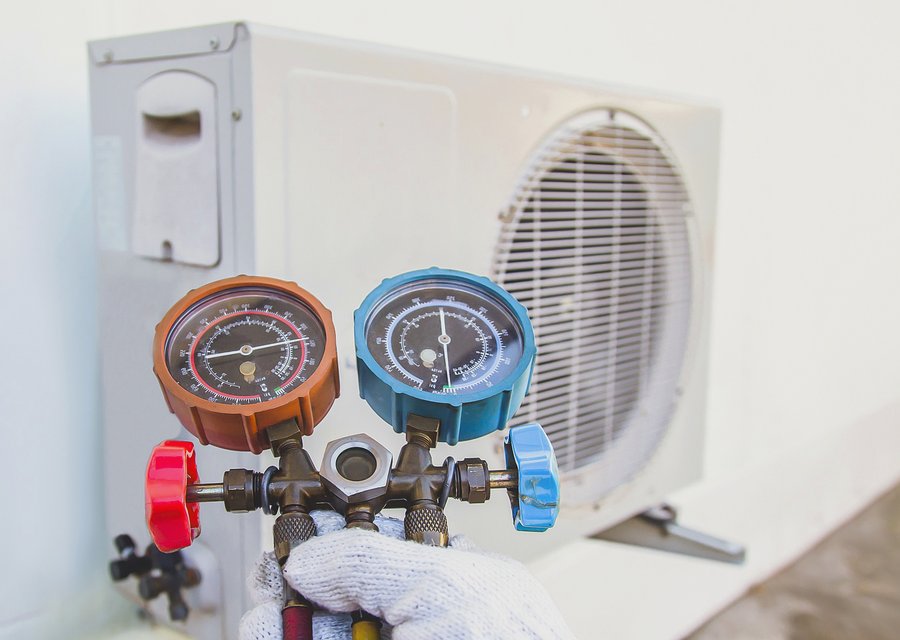
Diagnosis and repair of central air systems — warm air, weak airflow, refrigerant leaks, and electrical faults.
Ductless mini-splits
Single and multi-zone systems for additions, garages, and rooms that never cool right.
Heating & Cooling in Bluemont, Virginia
From tidewater humidity to mountain cold, Virginia weather asks for true four-season systems — Bluemont sees muggy summers that work air conditioners hard and winters with enough ice to prove out any furnace. Shoulder-season swings make programmable control especially useful. Local providers like Schar Heating & Cooling understand these conditions and service equipment accordingly.
Common HVAC Problems in Bluemont
Water around the indoor unit
Pooling water typically means a clogged condensate drain line. Caught early it is a quick fix; ignored, it can damage floors, drywall, and the air handler itself.
Furnace ignition failures
A furnace that clicks but will not light may have a dirty flame sensor, faulty igniter, or gas supply issue — problems best diagnosed by a trained technician.
Thermostat not matching room temperature
When rooms feel different from the set temperature, the fix may be as simple as thermostat placement or as involved as duct balancing and zoning.
Strange noises at startup
Grinding, squealing, or banging at startup often signals worn bearings, a loose blower wheel, or delayed furnace ignition — all worth addressing before they become breakdowns.
Why Choose a Local Virginia Company
Local companies live on reputation, and word travels fast in the community when work is done right. Same-area service means faster response when the weather turns and equipment fails at the worst moment. Understanding the regional climate means recommendations sized for real conditions, not national averages.
Seasonal Tips for Virginia Homes
- Use a programmable thermostat with seasonal schedules — swing seasons with warm days and cold nights waste energy on manual control.
- Schedule two tune-ups a year — spring for cooling, fall for heating — since both systems carry real load in this climate.
- Swap filters at the change of each season; systems that both heat and cool run more total hours than most owners expect.
- During shoulder seasons, use fan-only mode on mild days to circulate air without running the compressor.
Frequently Asked Questions
Should I repair or replace my system?
A common rule: if the unit is past 12 years old and the repair costs more than a third of replacement, replacement usually wins. A technician can weigh age, efficiency, refrigerant type, and repair history for your specific unit.
How long does an air conditioner last?
A well-maintained central air conditioner typically lasts 12–17 years. Systems that run long seasons or skip maintenance wear out sooner, while regular tune-ups and prompt repairs stretch lifespan toward the upper end.
What are signs of duct problems?
Rooms that never reach temperature, whistling sounds, dusty air, and high bills all point to leaky or unbalanced ductwork. Sealing and balancing often deliver the biggest comfort improvement per dollar.
How often should I change my air filter?
Every 1–3 months for standard filters, depending on pets, dust, and usage. A clean filter is the cheapest way to protect airflow, efficiency, and indoor air quality.
What size HVAC system does my home need?
Sizing depends on square footage, insulation, windows, ceiling height, and local climate — not guesswork. An oversized unit short-cycles and an undersized one never keeps up, so a proper load calculation matters.
Recent Work
Other Providers in Virginia
- Bryant Heating & Cooling Systems — Bristow, VA
- Mays Heatg & Air Condtng — Ashburn, VA
- Queen's Heating Air Conditioning — Catlett, VA
- High Desert Air Conditioning and Heat — Chantilly, VA